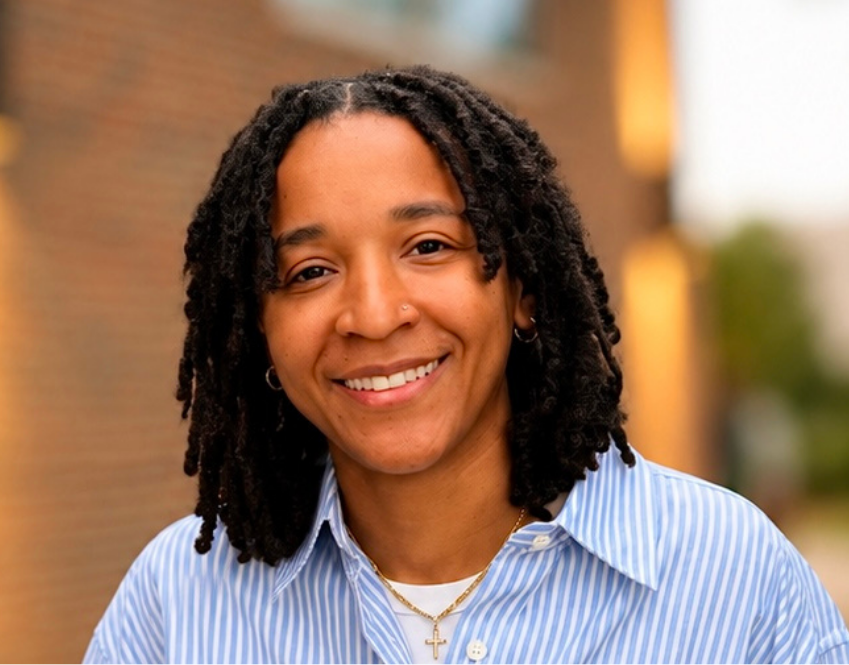
Nikita Green
Graduate Student Intern
Supervised by Tia Jennings, LMHC, LPC-S
Coming September 2026
*
Coming September 2026 *
You’re the person everyone can count on. The one who answers the phone, shows up when someone needs you, gives the advice, and somehow keeps everything moving. You’ve gotten so used to being there for everyone else that you may not remember the last time you stopped and asked yourself, “But how am I doing?” Lately you’ve been feeling anxious, overwhelmed, down, or simply stuck. Your mind won’t slow down at night, you keep procrastinating on things you know you want to accomplish, you’re questioning your worth, trying to figure out your purpose, and navigating a life transition that has you wondering what’s next. You’ve noticed that you’re constantly giving to the people around you while putting yourself last.
You’ve probably tried to handle it. Maybe you’ve talked to friends or family, stayed busy, distracted yourself, or kept everything bottled up. You’ve told yourself, “I’m fine. It’s just a phase. I’ll get over it.” But when everything gets quiet, those same thoughts and feelings are still there. If that sounds familiar, you don’t have to come to therapy knowing exactly what’s wrong or having the perfect words to explain it. We can start right there.
I believe there’s often a story behind the way we think, feel, and respond to life. Our experiences, relationships, environments, and even the messages we’ve received about ourselves can shape how we see ourselves and the world around us. Sometimes patterns that helped us cope during one season of life may start holding us back in another. In our sessions, we’ll get curious about those patterns together. Instead of simply focusing on what you’re doing, I want to help you understand the why behind it. Why do you automatically expect the worst? Why is saying no so difficult? Why are you so hard on yourself? Why do you keep finding yourself in the same situations?


I’m not here to hand you a map and tell you exactly how your life should look. I’ll ask questions, offer different perspectives, help you recognize patterns, and challenge you when needed. My approach is influenced by CBT and person-centered therapy, allowing us to explore the connection between your thoughts, emotions, and behaviors while keeping you at the center of the process. Therapy with me doesn’t have to feel stiff or overly structured either. We can have real conversations, we can laugh, and we can sit with something difficult. Some days you may need space to talk, and other days you may need me to challenge you a little more. Our conversations can flow naturally, while I’ll also help us come back to the things that matter and what brought you into therapy in the first place.
Part of why creating that kind of space matters to me is because I’ve experienced therapy from the other side of the room. For years, people told me I was a good listener and someone others naturally turned to for support, but it wasn’t until I began navigating some of my own difficult seasons and experienced therapy myself that becoming a counselor truly made sense to me. Therapy showed me how meaningful it can be to have someone outside of your everyday circle help you
slow things down, see things differently, and find your way forward. It didn’t teach me that life eventually becomes perfect or that difficult seasons stop happening. It taught me that we can understand ourselves better and become more equipped to navigate those seasons when they come. That’s a large part of why I wanted to sit on the other side of the conversation for someone else.
So, if you’re used to being the person everyone else turns to, maybe this can be the space where you get to be supported for a change. You don’t have to have everything figured out before you begin. We can start where you are and find your way forward from there.